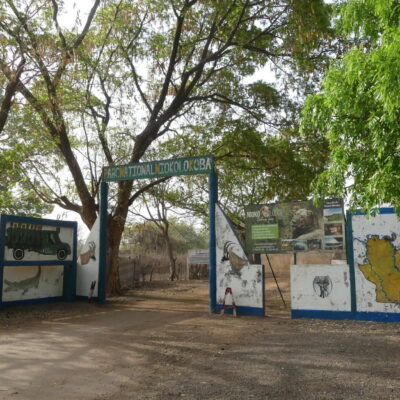

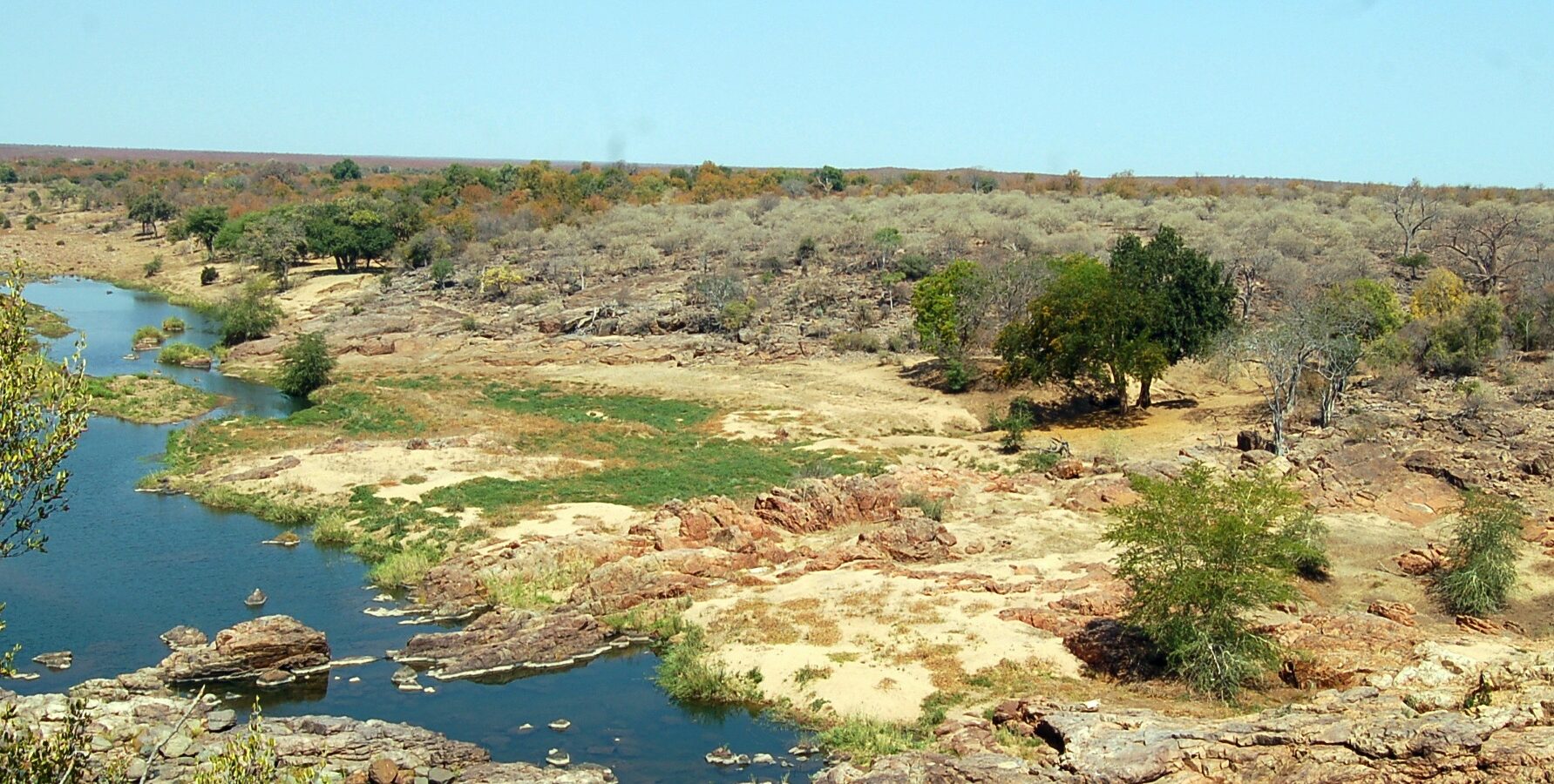
Niokolo-Koba National Park, located in southeastern Senegal, is a UNESCO World Heritage Site renowned for its rich biodiversity and unique ecosystems. Spanning approximately 913,000 hectares, the park’s habitats include gallery forests, savannahs, and wetlands, which support a diverse array of wildlife. Notably, it is home to species such as the Derby eland, chimpanzees, lions, and a multitude of bird species, making it a critical area for global biodiversity conservation.
Beyond its ecological significance, Niokolo Koba holds profound socio-cultural importance for the surrounding communities. Historically, some groups like the Mandingue or the Bassari have relied on the park’s resources for their livelihoods, utilizing its flora and fauna for food, medicine, and cultural practices, while other ethnic groups like the Peuls are more engaged into pastoralism.
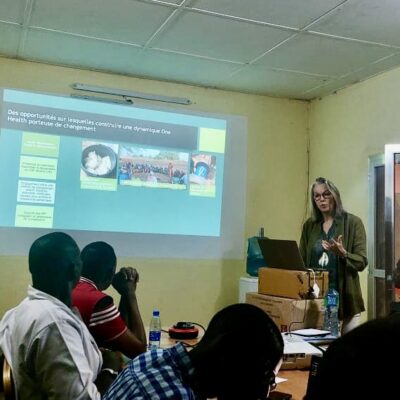
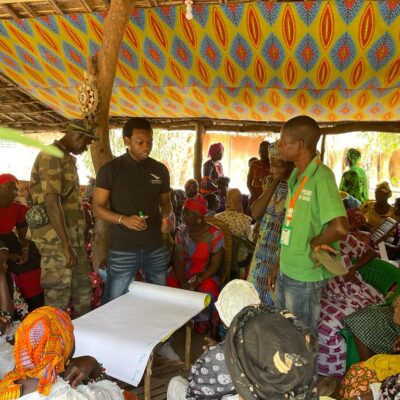
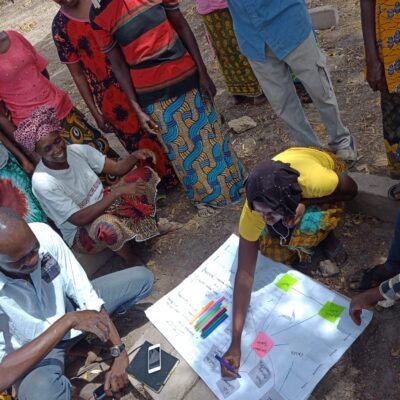
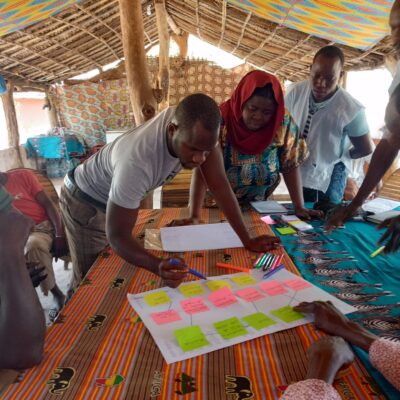
The OCT works in collaboration with the Department of National Parks of Senegal, Foundation OCP and University UM6P to integrate a One Health perspective in existing programmes in and around the Park. This followed a One Health assessment of risks at the human-animal-ecosystems interface for the Park.
| Location | South-east Senegal, Niokolo Koba National Park |
|---|---|
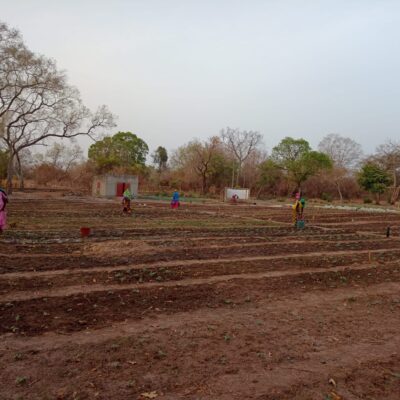
| Ecosystem | Savannah woodlands and grasslands, wetlands & floodplains, gallery forests, dry deciduous forests Derby eland, chimpanzee, lion, wild dog |
| Communities | Mandinka, Peuls, Bassari, Malinke, Bedik ca. 100-150,000 people |
| One Health Challenges | Historical conflict over access to the Park’s natural resources Human-wildlife conflict Overexploitation of natural resources Water pollution (gold mining) Zoonotic diseases Malnutrition Insufficient access to human and animal healthcare |
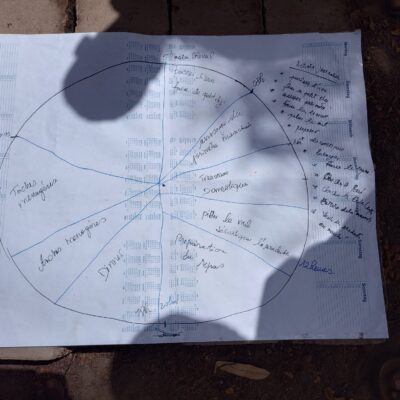
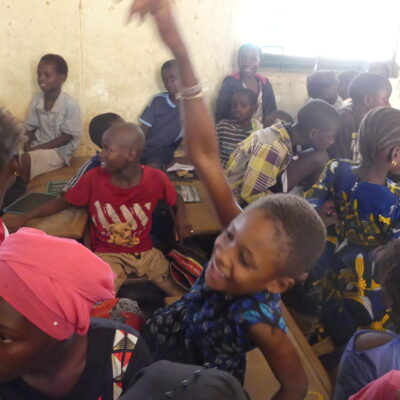
| One Health in Action | One Health risks assessment at the human-animal-ecosystem interface around the Park One Health risks management and prevention Knowledge transfer & collaboration Schools education programs |
OUR IMPACT
Key achievements
- Identification of One Health risks and needs
- Enhance awareness about the role of biodiversity in health
- More targeted human-wildlife conflict mitigation
- Promotion of sustainable practices to reduce pollution
- Socio-economic empowerment of women
- Imporved environmental stewardship among youth
- Greater collaboration and dialogue between communities and park authorities
Partners
Fondation OCP, University UM6P, Departement des Parcs Nationaux du Sénégal, groupements féminins