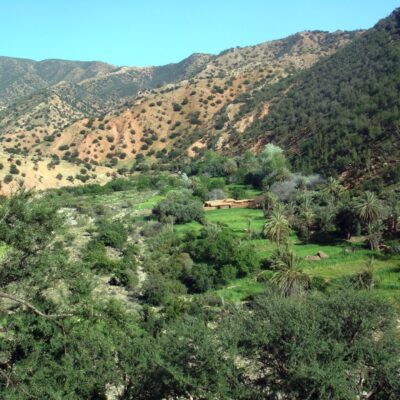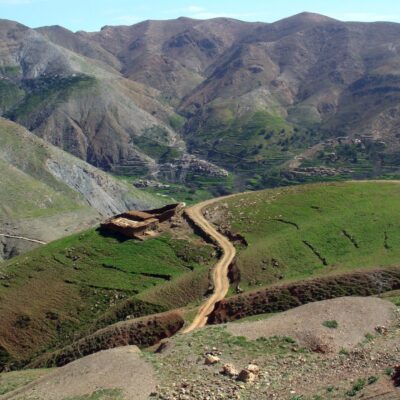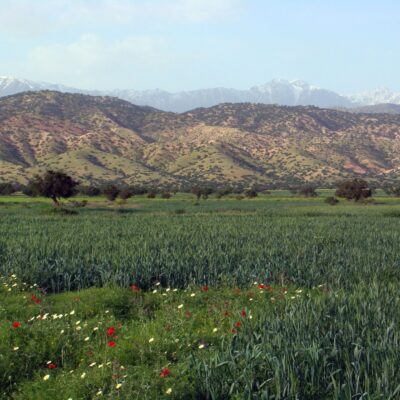

The Berbers, or Amazigh, are among the original peoples of North Africa with a history spanning 9,000 years and a unique culture which is, like their land, both African and Mediterranean. They are renowned for their strong link and attachment to their land where they farm and live a self-sustaining lifestyle, such as in the unique ecosystem of the Argan forest.
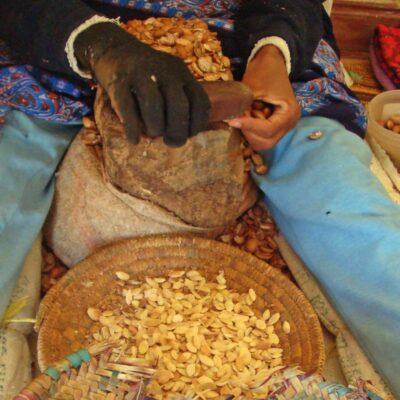
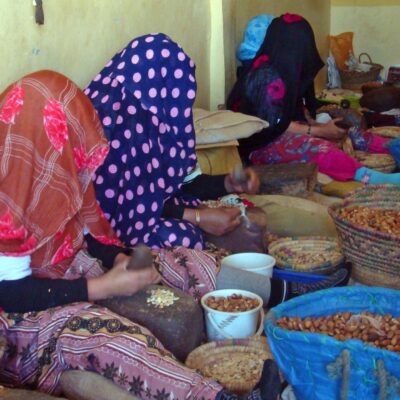
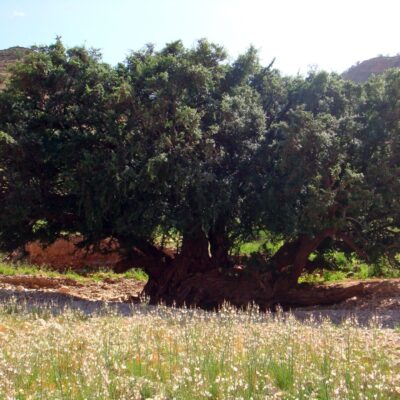
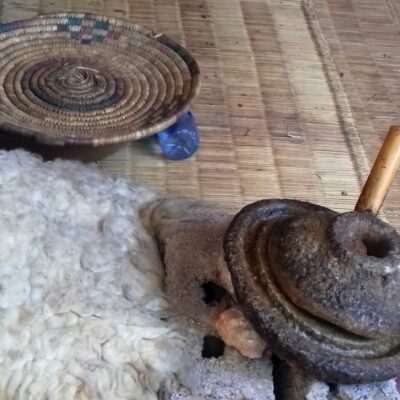
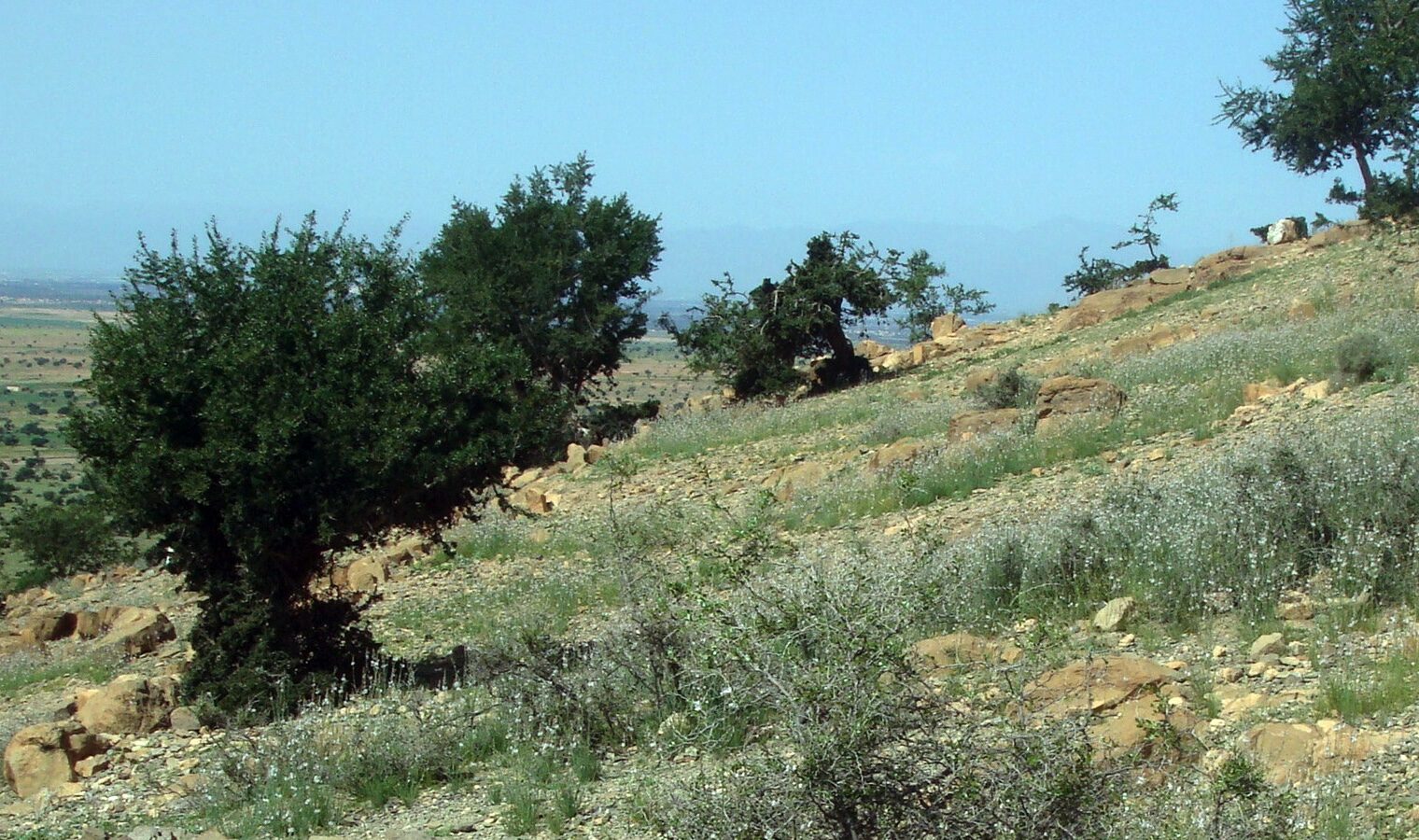
The Argan Biosphere Reserve covers 800,00 ha in south-west Morocco which is the only place in the world where the Argan tree grows. This ecosystem plays a vital role in the region by representing the last shield against desertification but also by supporting the livelihood of Berber women. The harvest of Argan fruits is a Berber tradition for women only and the techniques for oil extraction are based on traditional knowledge which has been passed down from mothers to daughters for centuries. The precious Argan oil is used for its medicinal and cosmetic properties and the Argan trees also provide fodder for animals, building materials, fuel wood while sustaining the whole water cycle in the region.
| Location | South-west MoroccoArgan Biosphere Reserve (800,00 ha) |
|---|---|
| Threatened Ecosystem and Wildlife | Argan forestEndemic argan tree or “Women’s tree”, supporting the livelihood and culture of Amazigh families |
| Local people | Amazigh rural communities |
| One Health Challenges | Poor animal health management, zoonotic diseases (rabies, leishmaniasis, echinococcosis), loss of nutrition diversity, water scarcity |
| Activities | Development of One Health areas and gardens in villages One Health education campaigns Prevention and control of zoonotic diseases, diabetes and scorpionic envenimations Epidemiological studies of risks of zoonotic diseases in the argan forest with multi-disciplinary teams |
THE CHALLENGE
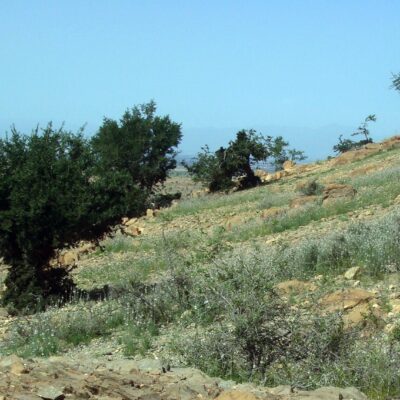
The Argan forest is being rapidly degraded through a combination of poor management and ill-health of a growing populations of domestic animals, including the local goats which live in symbiosis with the argan tree and increased water scarcity.
Berber families are increasingly exposed to One Health challenges including diseases transmitted by animals and by water.
OUR IMPACT
By developing specific One Health training modules for women and their families as well as interventions to improve animal health management, water hygiene and the use of medicinal plants, we will improve the health of Amazigh women and their families, their animals’ health, and the health of this unique ecosystem.