
By using our gender-responsive One Health approach, our One Health in Action programs projects deliver impactful and tangible benefits and are:

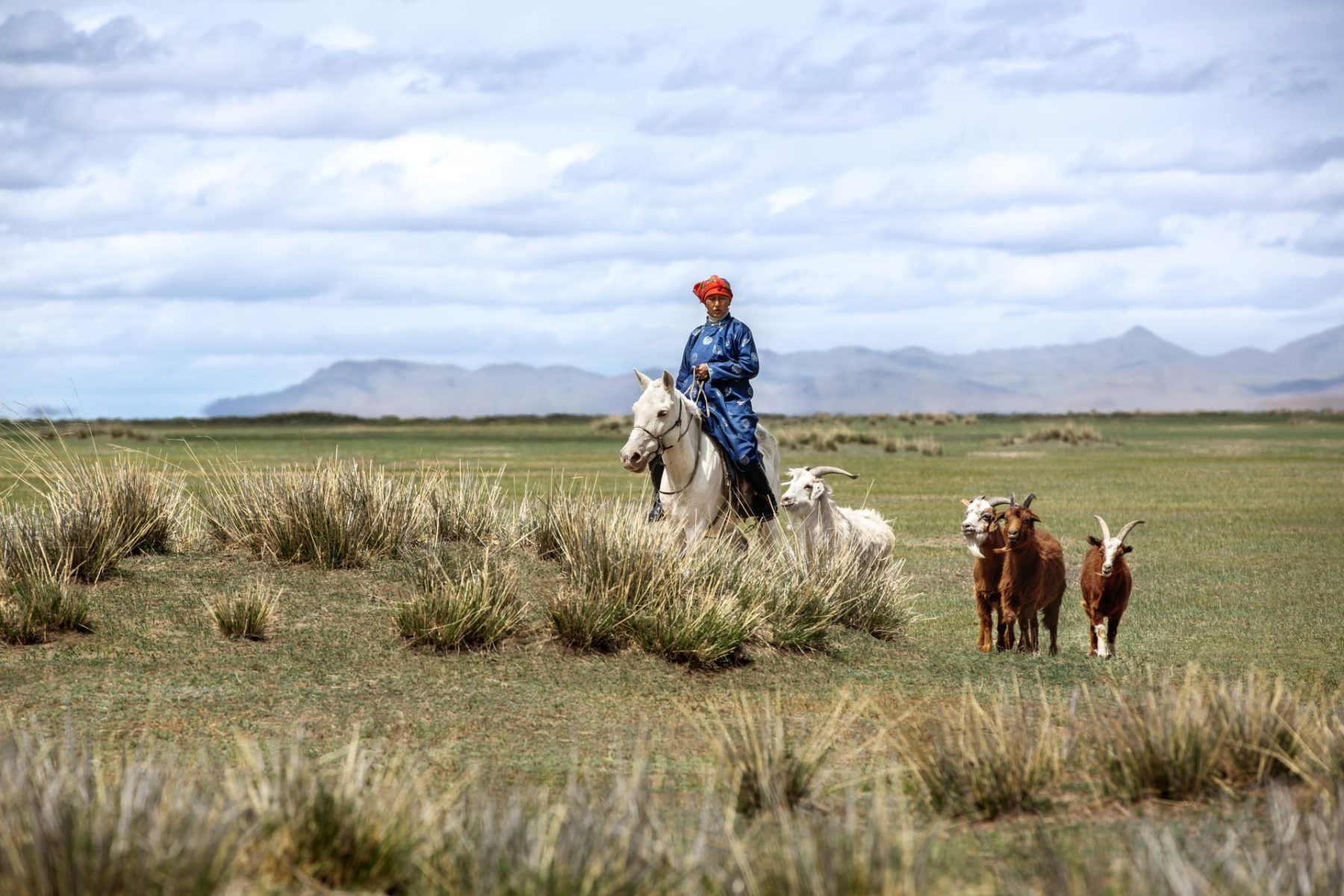
One Health for cashmere communities, herds, and steppes of Mongolia
The Eastern Steppe of Mongolia is one of the last pristine grassland ecosystems in the world and is home to nomadic herders and their livestock, as well as migrating herds of endemic Mongolian gazelles. Cashmere goats are the backbone of pastoralist livelihoods in this region, providing income, identity, and connection to centuries-old herding traditions.
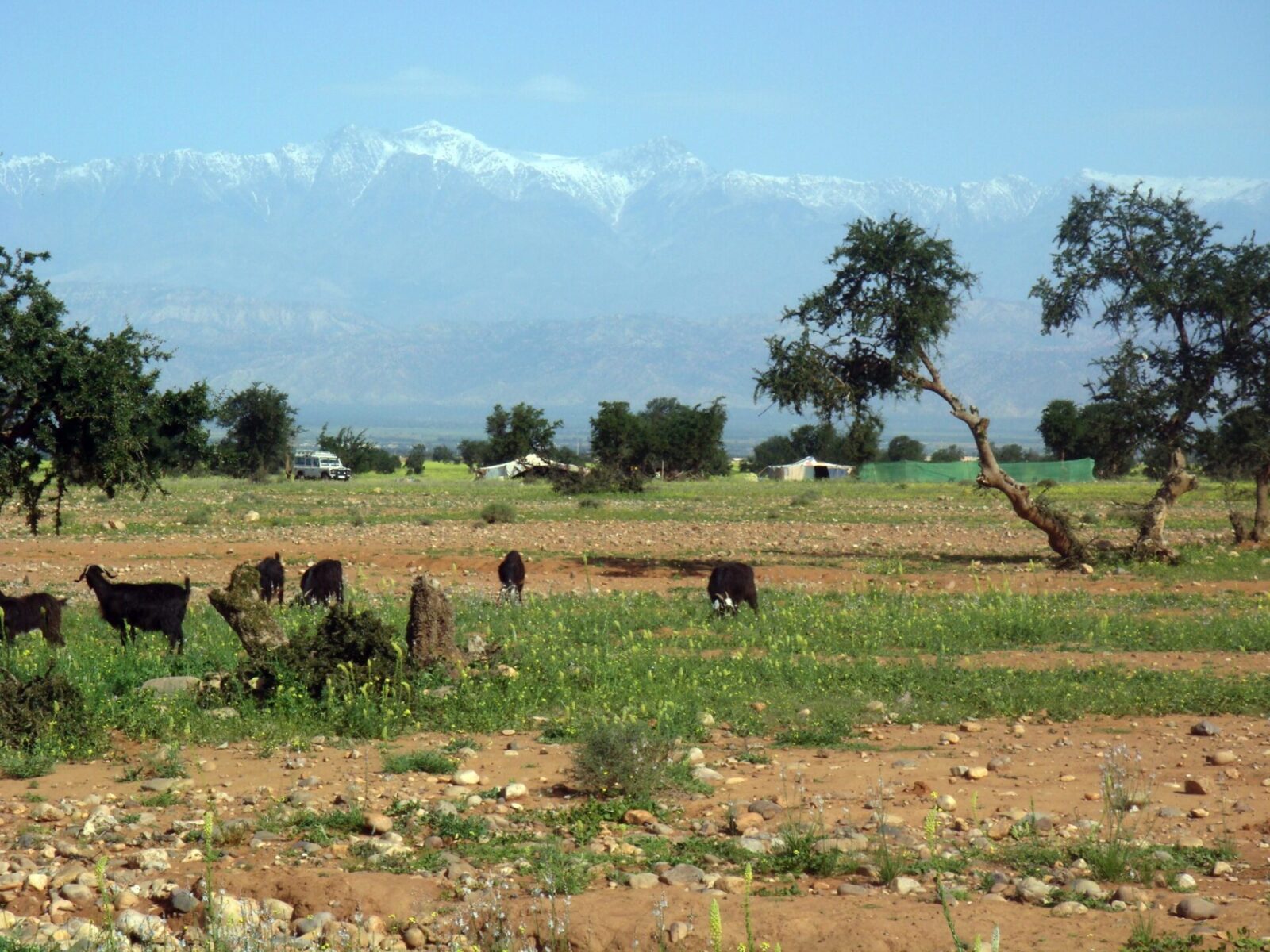
Conserving the Argan forest with Amazigh people, Morocco
The Berbers, or Amazigh, are among the original peoples of North Africa with a history spanning 9,000 years and a unique culture which is, like their land, both African and Mediterranean. They are renowned for their strong link and attachment to their land where they farm and live a self-sustaining lifestyle, such as in the unique ecosystem of the Argan forest.
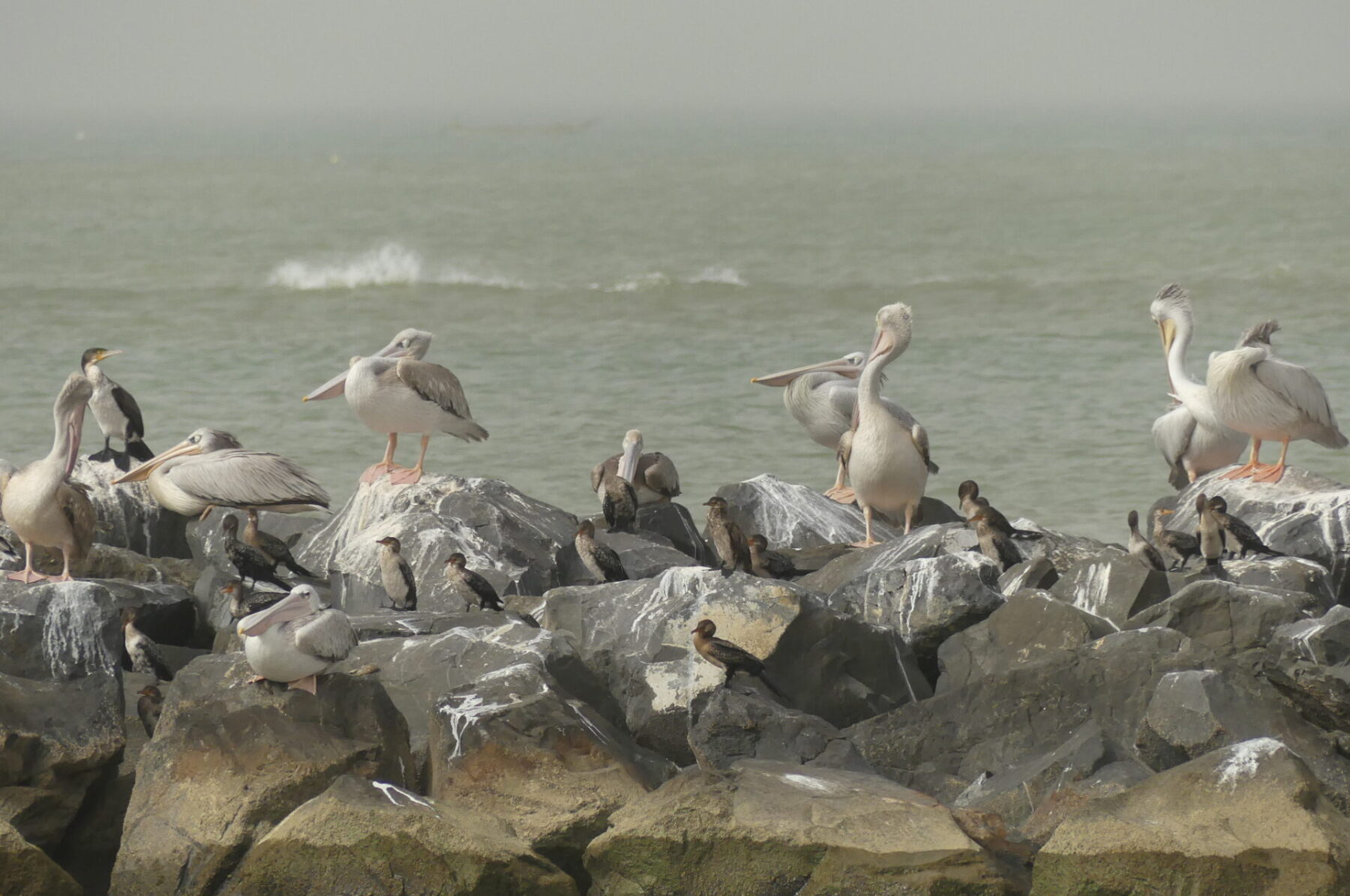
One Health In Action for mangroves in Joal-Fadiouth with fishing communities, Senegal
The Joal-Fadiouth Marine Protected Area (MPA) in Senegal is a globally significant site for biodiversity conservation. The MPA includes critical mangroves, which are some of the most productive habitats of the planet by providing vital breeding and feeding grounds for marine life. It supports endangered marine turtles and over 700 fish species, making it an essential component of West Africa’s coastal biodiversity.
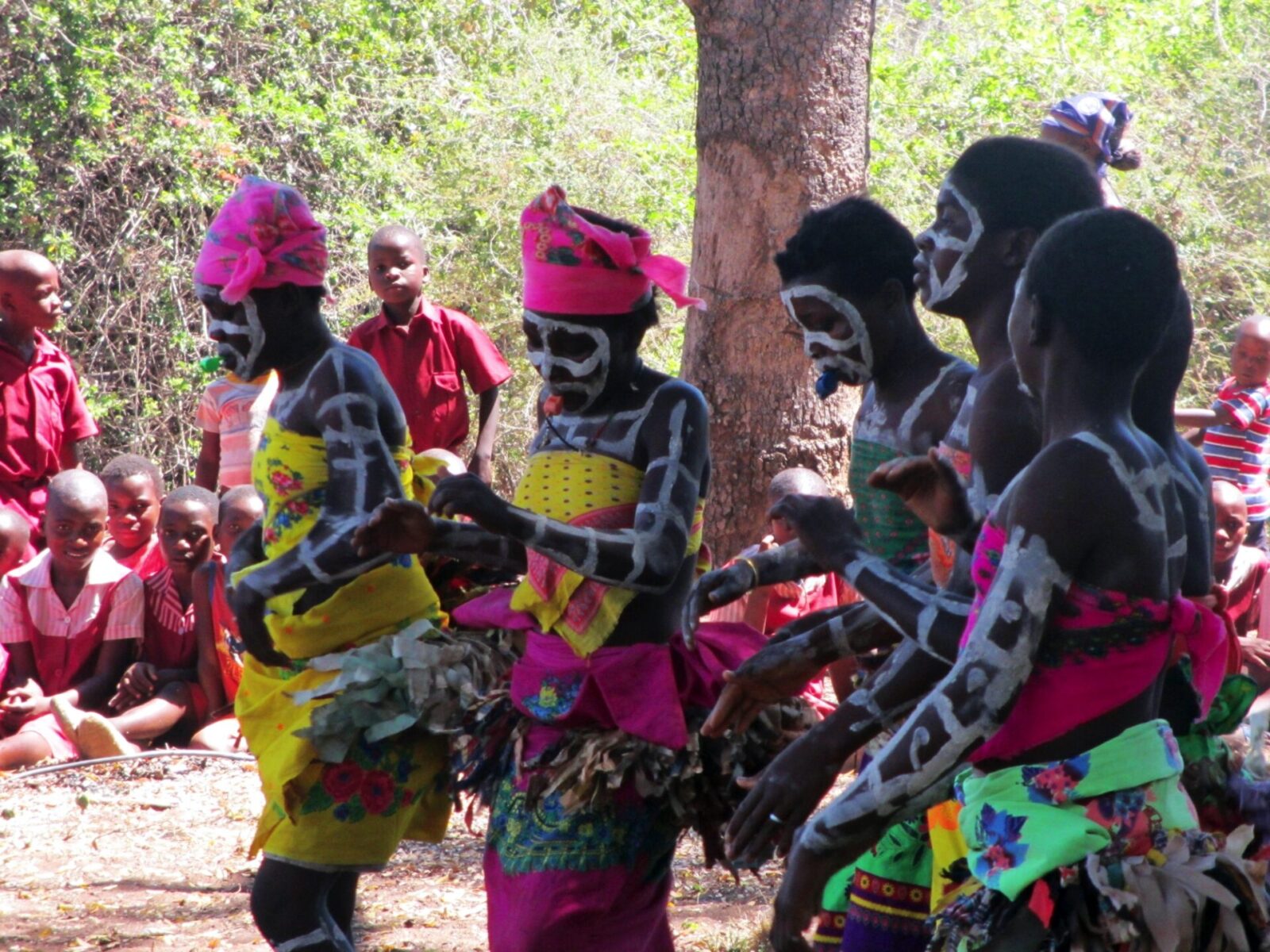
One Health with Shangaan people in the Great Limpopo TFCA, Zimbabwe
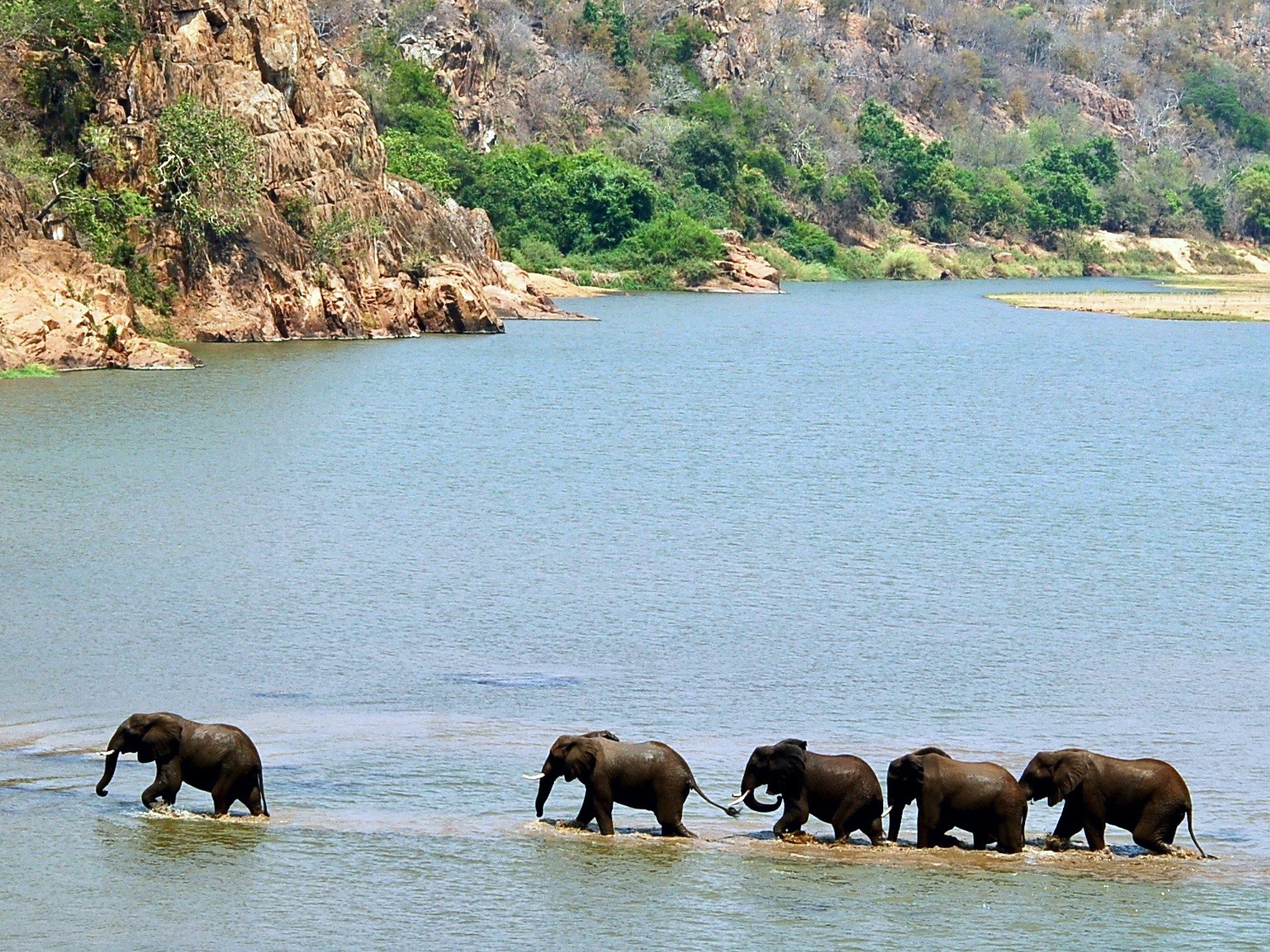
The Shangaan people of Zimbabwe live along the Gonarezhou National Park “The Place of Many Elephants” which is part of the Great Limpopo Transfrontier Conservation Area in southern Africa. Encompassing also the national parks of Kruger in South Africa and the Limpopo in Mozambique, the Great Limpopo TFCA represents one of the most diverse large African mammals kingdom in the world including one of the largest African elephant and rhinoceros populations in Africa.
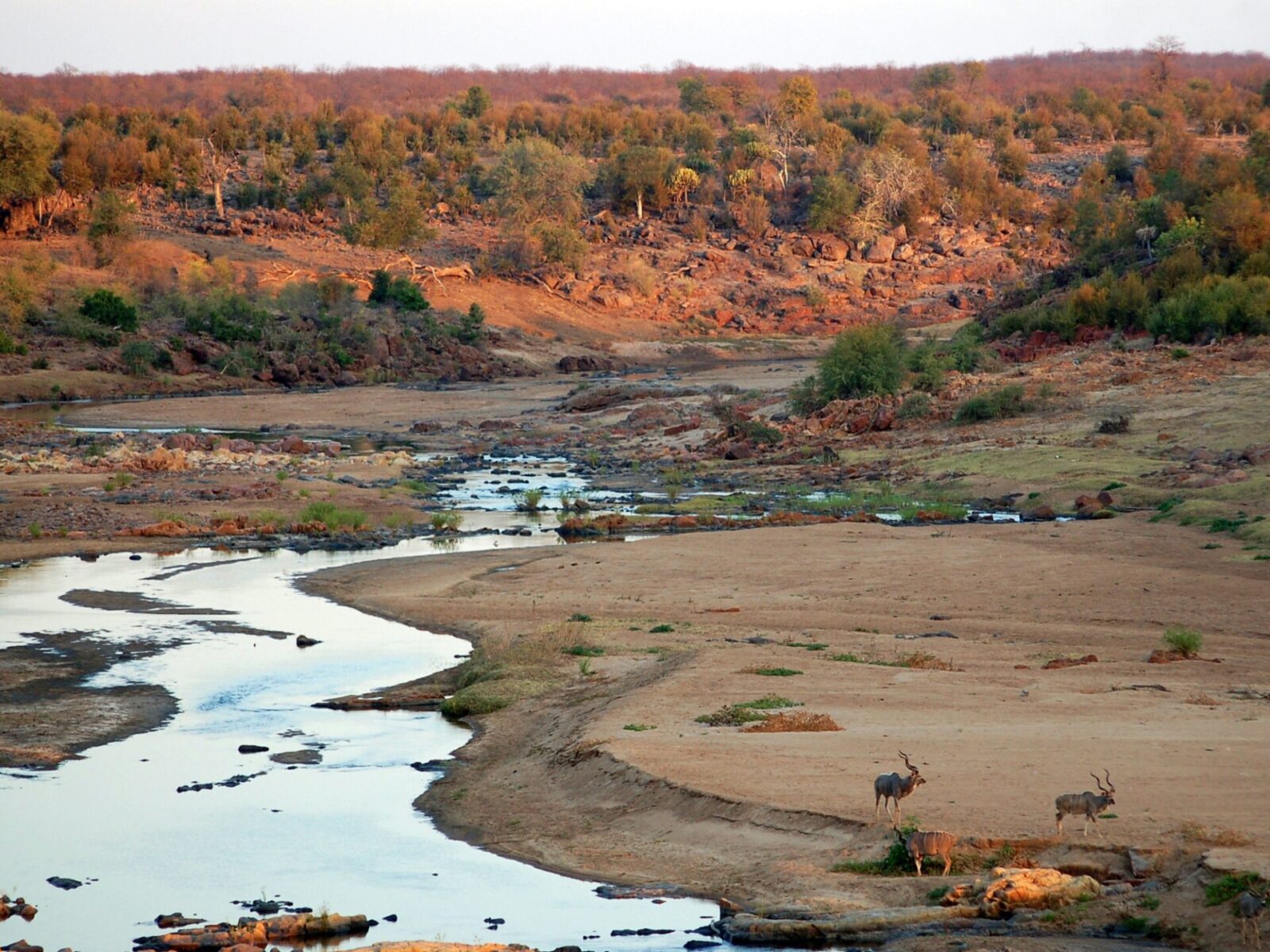
One Health In Action for the Niokolo-Koba National Park with communities, Senegal
Niokolo-Koba National Park, located in southeastern Senegal, is a UNESCO World Heritage Site renowned for its rich biodiversity and unique ecosystems. Spanning approximately 913,000 hectares, the park’s habitats include gallery forests, savannahs, and wetlands, which support a diverse array of wildlife.
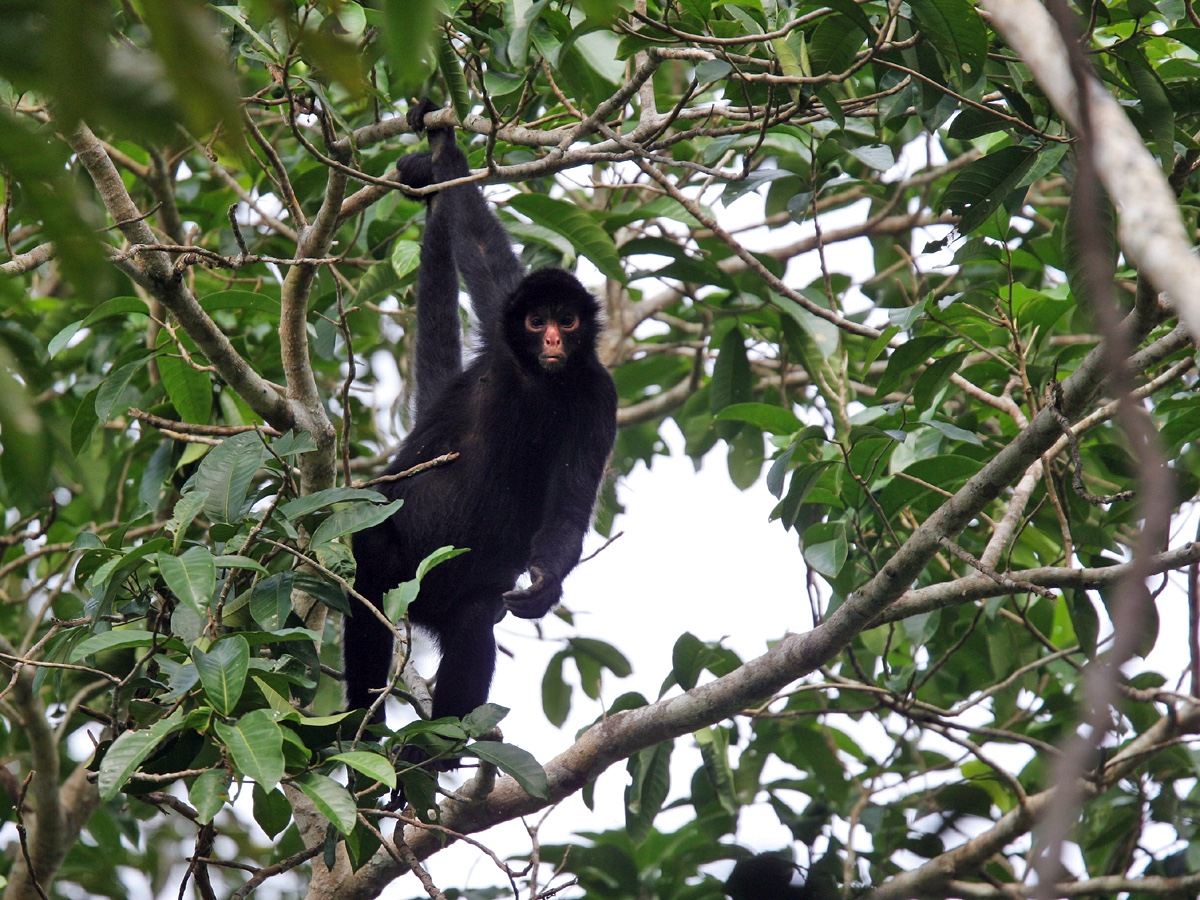
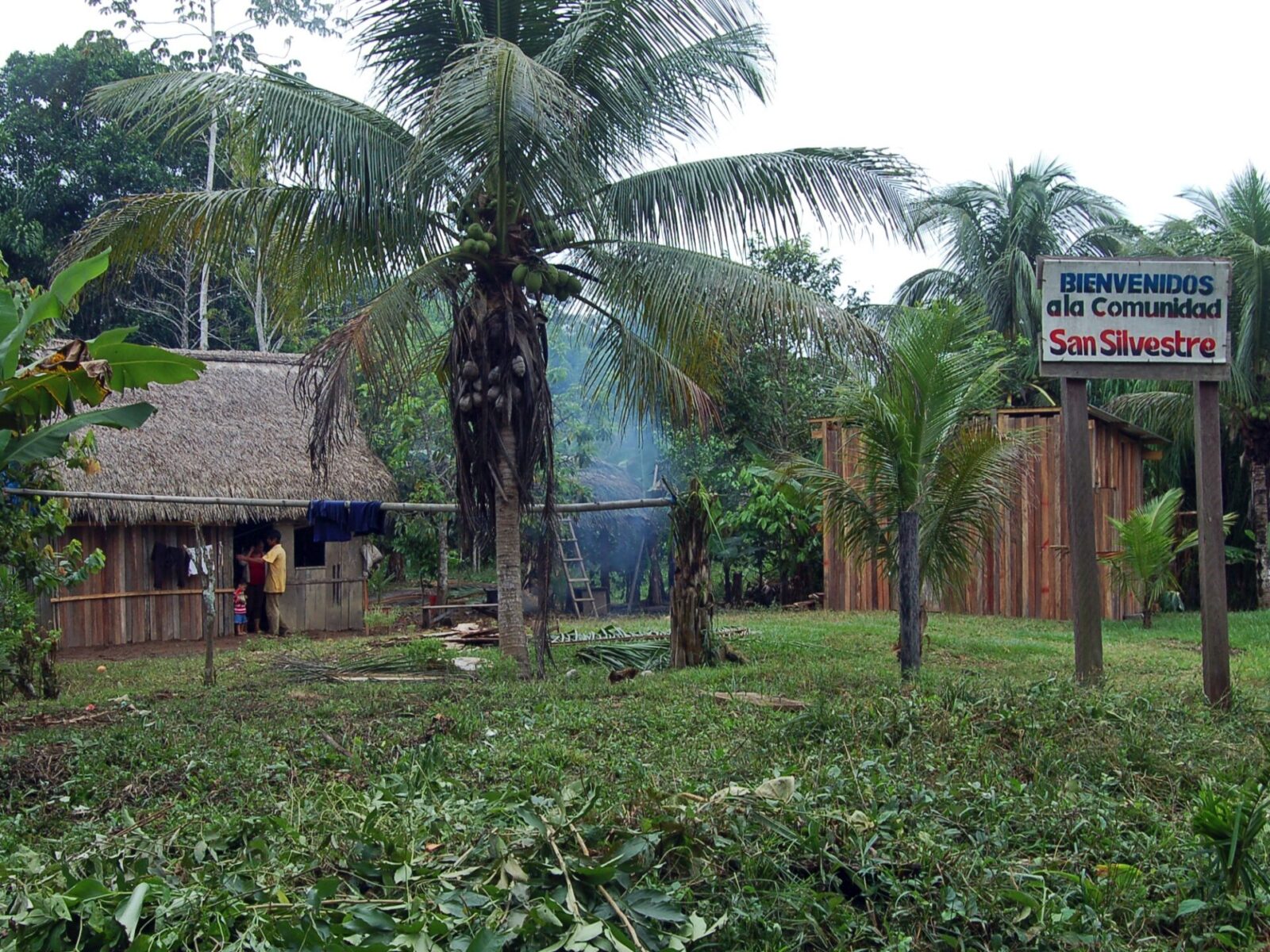
Conserving the Amazon Forest with Tacana people, Bolivia
One Health for the Amazon Forest with Tacana people, Bolivia The Tacana indigenous people are dispersed in the tropical Andes, an area composed of Amazonian rainforest and savannah, mountains, cloud and dry forests, which is considered as. .
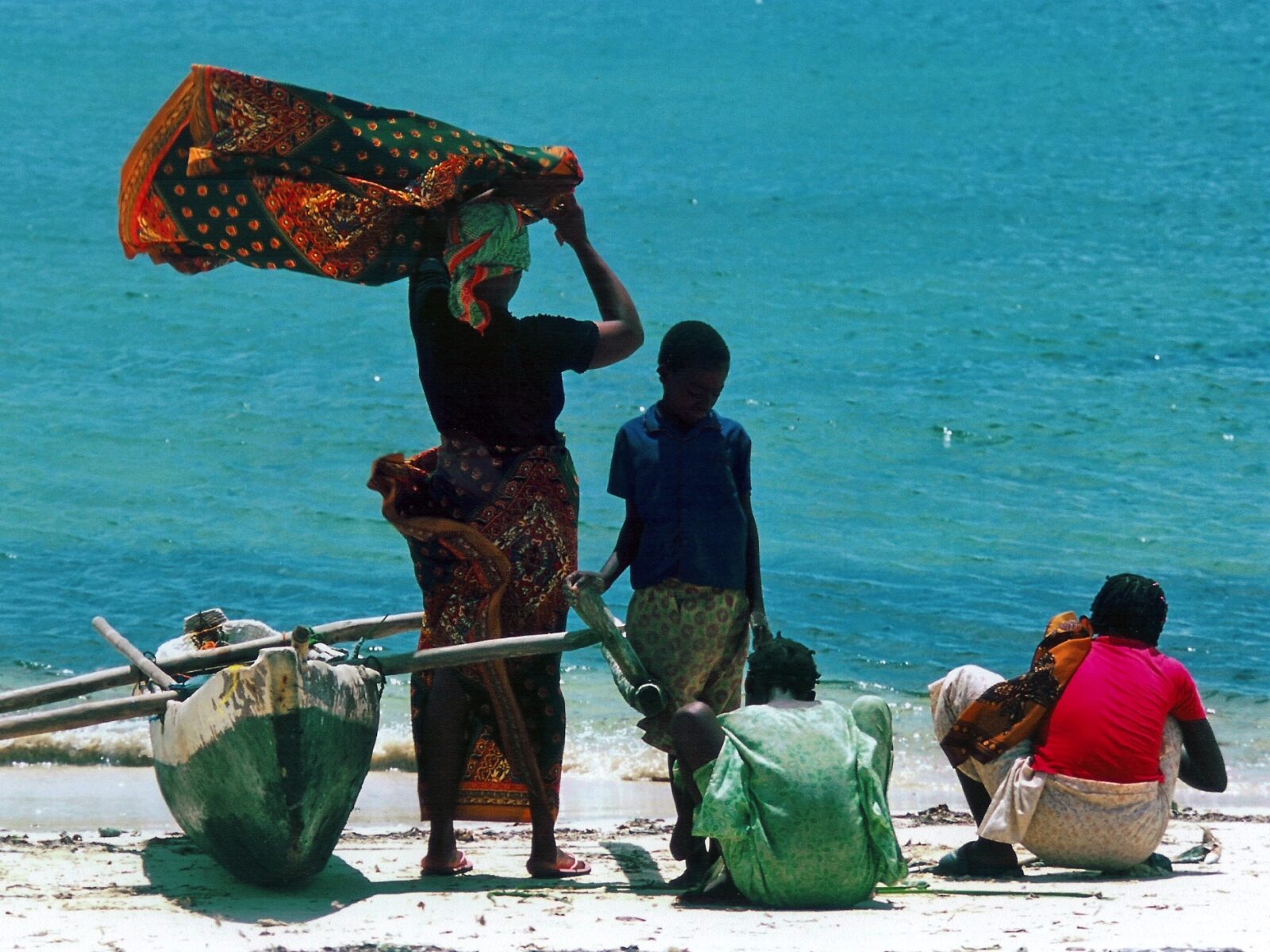
Conserving coral reefs of the northern Querimbas archipelago with Kimwani people, Mozambique
The Kimwani people have always lived of their coastal resources in northern Mozambique. Soon after we discovered the natural wealth of the northern Querimbas archipelago after the 30-year war ended, we identified the area to be of global conservation value as coral reefs were amongst the most divers…
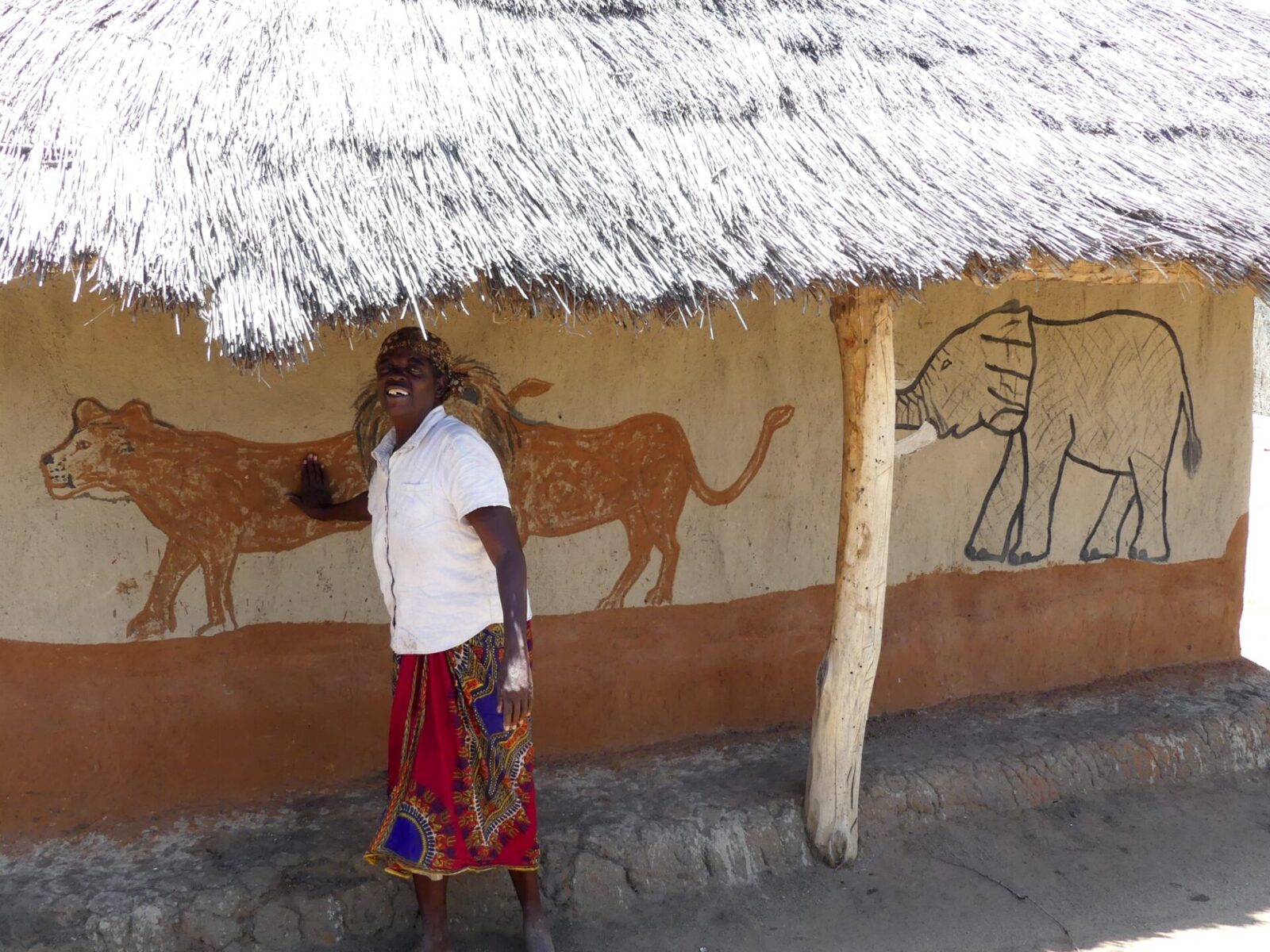
One Health with Nyamba people in the Kavango-Zambezi TFCA, Zimbabwe
One Health in the Kavango-Zambezi (Kaza) Transfrontier Conservation Area with Nambya people, Zimbabwe The Nambya people of Zimbabwe live along Hwange National Park which is part of the Kavango-Zambezi Transfrontier Conservation Area (Kaza-TFCA) in southern Africa.
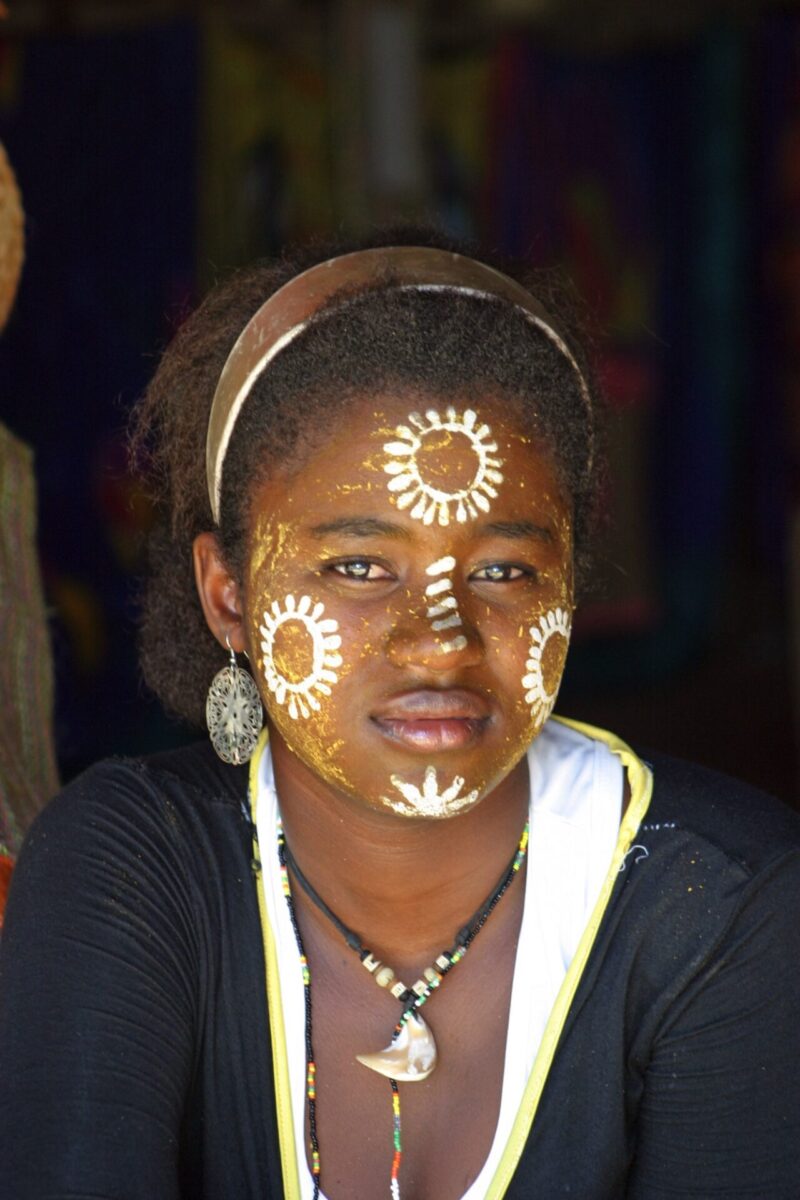
Our projects are all based on the holistic relationship that indigenous and local communities living in biodiversity-rich areas still maintain with their natural environment. We believe that it is the inextricable link between indigenous people’ culture and livelihood and their natural world that represents the key to sustaining world’s cultural and biological diversity.
Numbering around 500 million people and occupying 22% of the global land area, where most biodiversity still exists, they also represent the greater part of the world’s cultural diversity as shown by their linguistic diversity..
Our strategy is to develop at least one project in some of the most threatened ecosystems of the planet in order to be able to replicate the model at a global scale afterwards.
In all these threatened ecosystems, the degradation of natural resources and reduced access to their natural heritage has made indigenous people very vulnerable to a range of “One Health” issues which are specific to their environment and which are increasing with climate change.