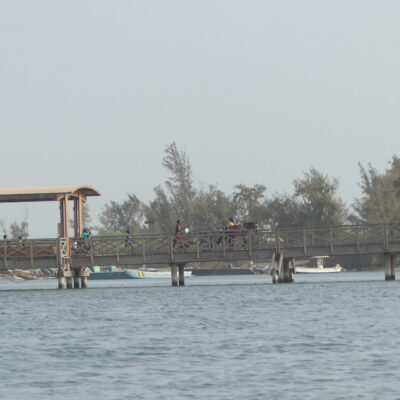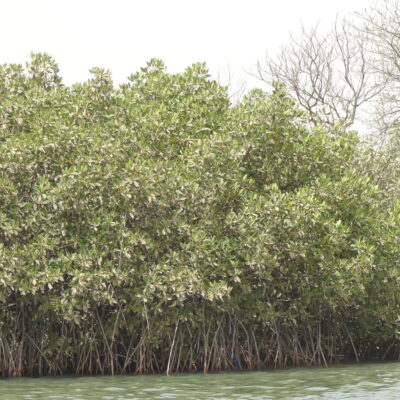

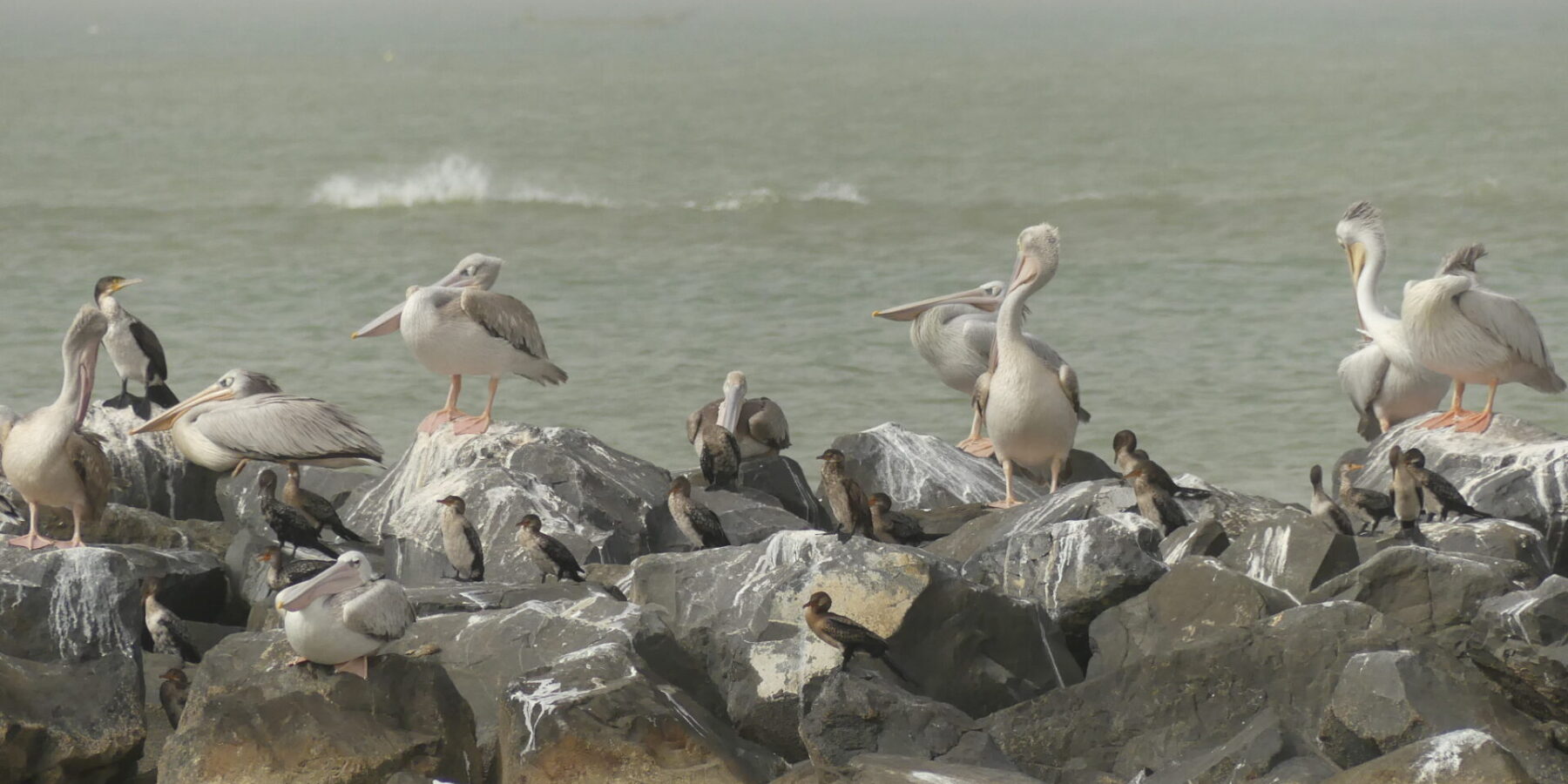
The Joal-Fadiouth Marine Protected Area (MPA) in Senegal is a globally significant site for biodiversity conservation. The MPA includes critical mangroves, which are some of the most productive habitats of the planet by providing vital breeding and feeding grounds for marine life. It supports endangered marine turtles and over 700 fish species, making it an essential component of West Africa’s coastal biodiversity. These mangroves serve as critical carbon sinks and as buffers against coastal erosion and climate impacts, playing a crucial role in global ecological stability. They also play a vital role in filtering pollutants and maintaining water quality, contributing to the health of both ecosystems and human populations. However, human pressures such as coastal development, pollution and poor fishing practices have degraded these ecosystems, necessitating integrated conservation and restoration efforts to address interconnected human, animal, and environmental health challenges.
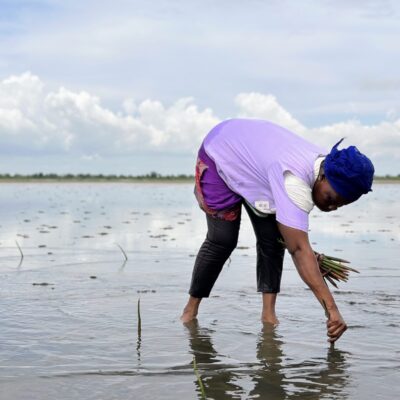
For the Serer local fishing communities, particularly the women, the mangroves are deeply tied to their livelihoods and culture. Women engage in harvesting oysters and other resources from the mangroves, which are integral to household income and food security. Beyond economic activities, these ecosystems hold cultural value, as traditional knowledge and practices are often passed down through generations. The Joal-Fadiouth MPA exemplifies the critical balance between ecological restoration and community empowerment, where sustainable practices ensure both environmental and social resilience.
| Location | Saloum Delta World heritage Site, Joal-Fadiouth MPA , Senegal |
| Threatened Ecosystem and Wildlife | Mangroves & seagrass beds Marine turtles, Birdlife ++, >700 fish spp |
| Local people | Serer people, ca. 43,000 people |
| One Health Challenges | Mangrove degradation & overfishingEnvironmental pollutionWaterborne diseases and occupational hazardsPoor animal health managementLimited access to resources for women |
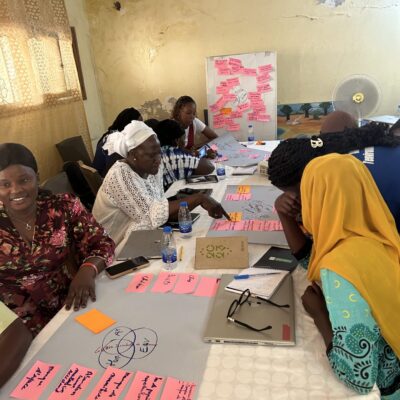
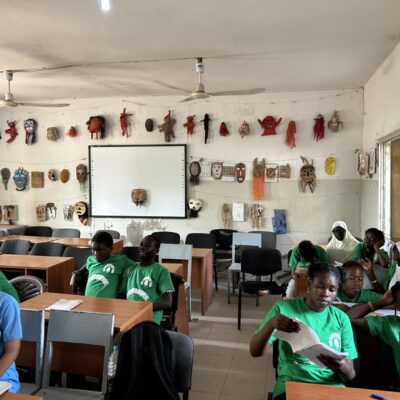
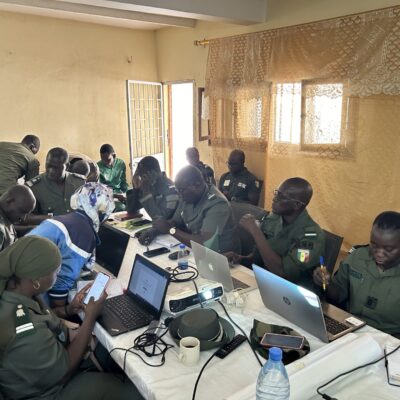
| One Health in Action | Gender-responsive One Health capacity building & training for mangrove restoration programmes Community engagement School outreach Promotion of multi-stakeholders collaboration |
OUR IMPACT
- Increased awareness and engagement about One Health
- Community empowerment in addressing One Health challenges
- Improved knowledge and skills for stakeholders
- Increased commitment of communities to behavioural changes
- Strengthened collaboration among stakeholders
- Greater committment of women in mangrove regeneration initiatives
- Creation of a shared One Health vision for the Joal-Fadiouth MPA